

Nous utilisons des cookies !
Notre site web utilise des cookies. Nous les utilisons pour vous offrir une meilleure expérience de navigation, analyser le trafic du site, personnaliser le contenu et diffuser des publicités ciblées.
Pour en savoir plus sur la manière dont nous utilisons les cookies et comment les gérer, cliquez sur « Paramètres des cookies ».
Which metals are magnetic? What a magnet will and will not attract
It is a question we are often asked: which metals are actually attracted by a magnet? The short answer: mainly materials containing iron, nickel or cobalt. The longer answer is more interesting, because not every metal is magnetic and even steel or stainless steel does not always respond in the same way. That is why we have listed the most important materials clearly below.

Not every metal is magnetic
Many people assume that all metals respond to a magnet. Understandably so, because steel, tools, machines and structural components often do. Yet “metal” is not the same as “magnetic”.
A magnet mainly attracts ferromagnetic materials. These are materials whose internal structure can be strongly aligned by a magnetic field. This creates a clear attractive force. The best-known examples are:
- iron
- steel and cast iron
- nickel
- cobalt
- some stainless steel grades
- certain magnetic alloys.
In practice, iron is the most recognisable example. That is why many steel grades respond strongly to magnets: steel contains iron.
Which metals does a magnet attract?
A magnet mainly attracts materials that contain iron, nickel or cobalt. Examples include common steel grades, cast iron, certain tools, screws, bolts, nails and machine components.
Some types of stainless steel are also magnetic. This often causes confusion, because stainless steel is frequently regarded as “non-magnetic” in practice. However, that is not always correct. Ferritic and martensitic stainless steels can be clearly magnetic. Austenitic stainless steels, such as many 304 and 316 grades, are usually non-magnetic or only weakly magnetic.
A magnet test is therefore useful as a first indication, but it is not always sufficient to identify a material precisely.

Which metals are not magnetic?
There are also many metals that, in practice, are not attracted by an ordinary magnet. Examples include:
- aluminium
- copper
- brass
- bronze
- gold
- silver
- lead
- zinc
- tin
- titanium
From a physics perspective, these materials may sometimes respond very weakly to a magnetic field, but not in a way you would notice with a standard magnet. A magnet will therefore not stick to them.
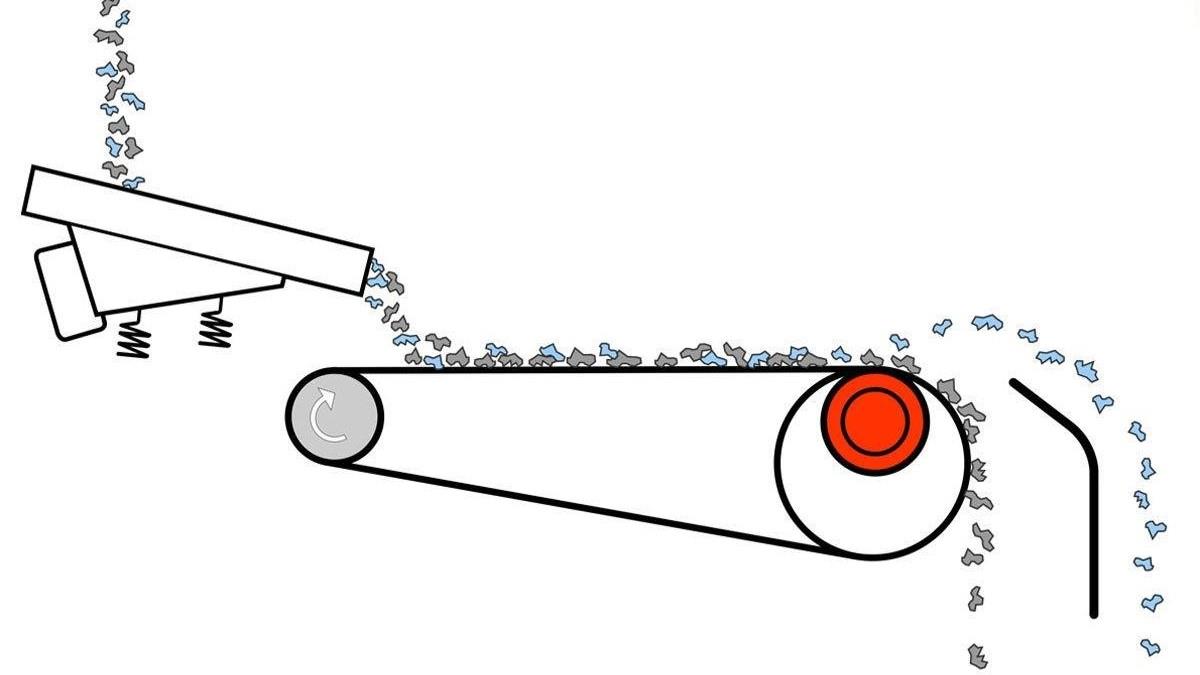
This does not mean these metals cannot be separated. In recycling, non-ferrous metals such as aluminium and copper are often separated using a different principle: eddy currents. A magnet does not hold these metals, but a changing magnetic field can cause them to move. This principle is used in eddy current separators.
What about stainless steel?
Stainless steel is the best-known grey area. The question “is stainless steel magnetic?” does not have a simple yes-or-no answer. It depends on the stainless steel grade and how it has been processed:
- Ferritic stainless steel is usually magnetic.
- Martensitic stainless steel is usually magnetic.
- Austenitic stainless steel, such as 304 and 316, is usually non-magnetic or only weakly magnetic.
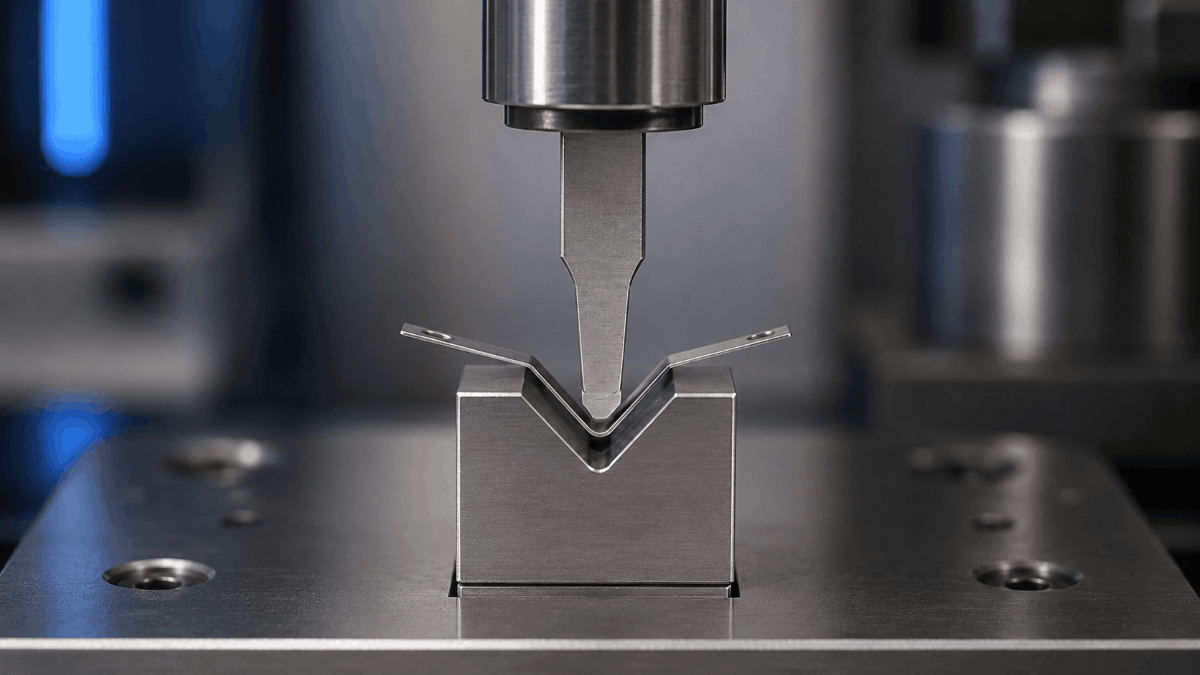
- Forming, welding or cold working can make austenitic stainless steel locally slightly magnetic.
This explains why a magnet sometimes sticks to a stainless steel refrigerator and sometimes does not. It does not directly say anything about the quality of the stainless steel, but mainly about the composition and structure of the material.
Why this matters in industry
In production processes, even a small metal particle can have major consequences. In food, bulk, chemical and recycling applications, magnetic systems are used to remove ferrous particles from product flows. Think of nails, metal swarf, screws or fine iron particles.
For Goudsmit Magnetics, material behaviour is therefore not theoretical knowledge, but everyday practice. The right magnetic solution depends on the product, the contamination, particle size, flow speed and distance to the magnetic field.
A simple question such as “will a magnet stick to this?” is often the starting point. The right solution requires deeper knowledge of the material, application and process.
Want to know more?
Would you like to know whether a specific material is magnetic, or which magnetic solution best suits your process? Visit our knowledge base on ferromagnetic materials or contact our specialists.